Dry risers, wet risers and private fire hydrants only work when they're properly tested and maintained, yet many building owners aren't sure which system applies to their site or what BS 9990 actually requires.
Dry risers, wet risers and private hydrants give the fire service a fast route to water in an emergency, but only if they’re tested and working. We install and maintain riser and hydrant systems to BS 9990, including the annual wet test and six-monthly visual checks.
Discover periferal services available for
Risers & Hydrants
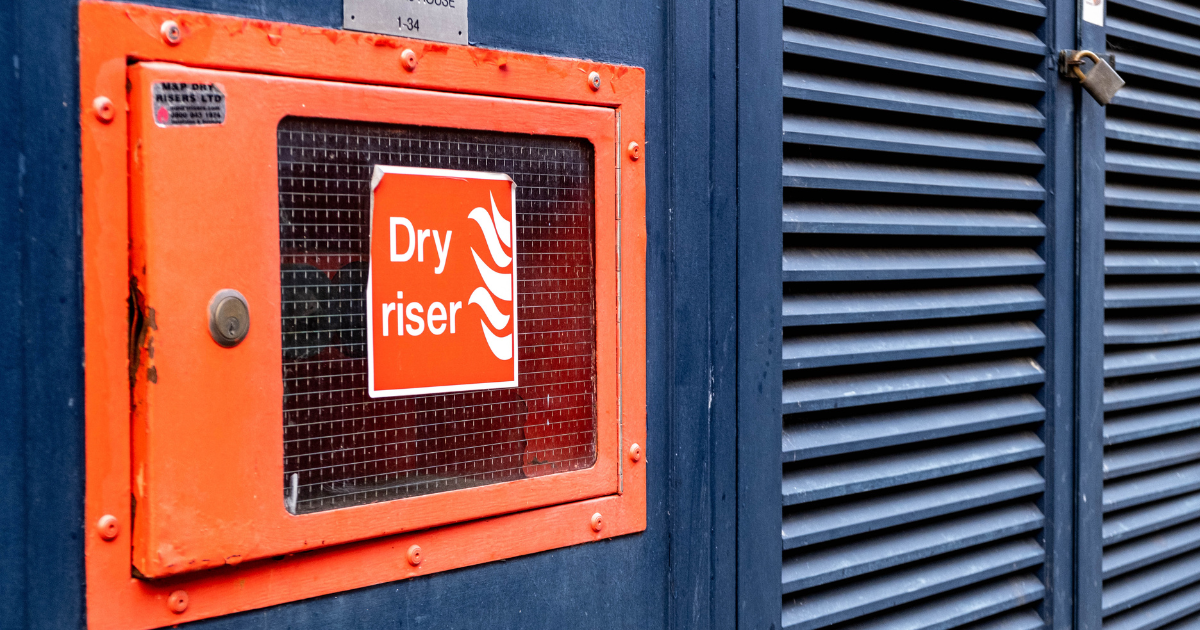
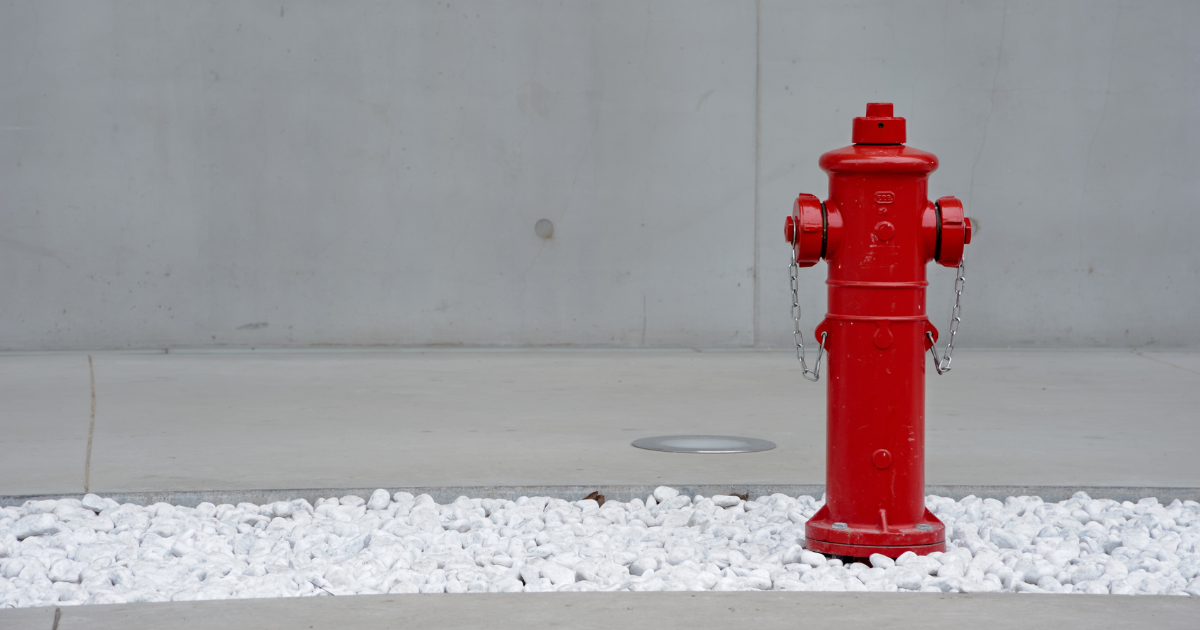
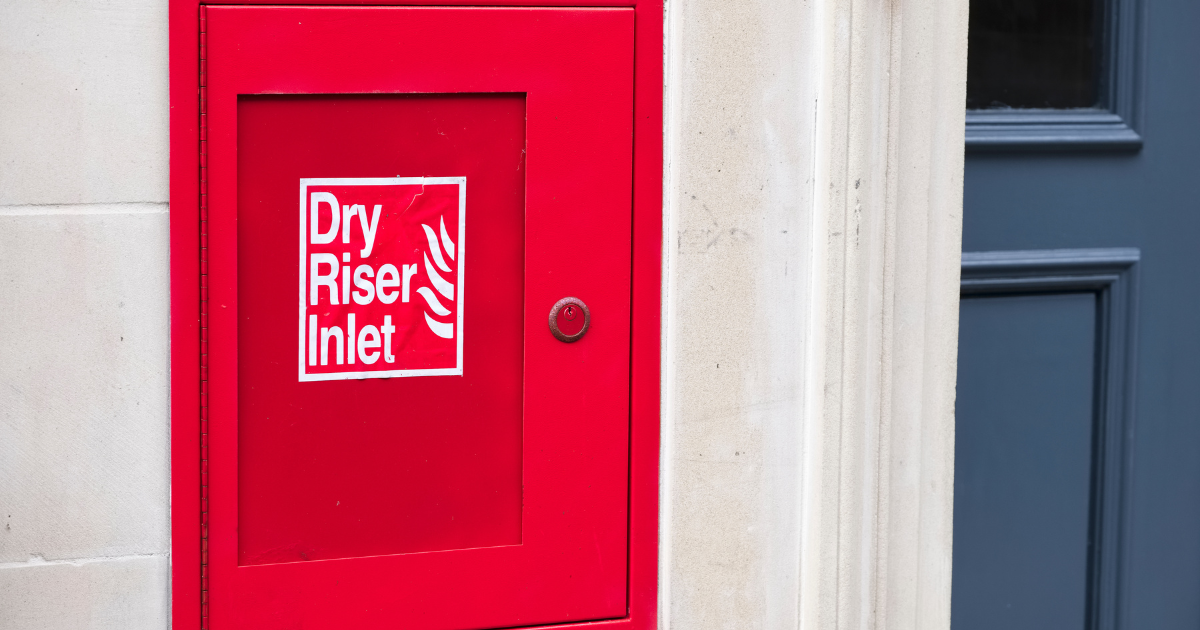
These systems all exist to get water to firefighters as quickly as possible, but they work in different ways. A dry riser is a network of empty pipes built into a building, usually within a staircase enclosure, that firefighters charge with water from a fire engine at ground level. A wet riser is permanently filled and pressurised, giving firefighters instant water on any floor without waiting for a pump connection. A private fire hydrant sits outside a building on land the owner is responsible for, providing a direct water source for the fire service to draw from during an incident.
The right system for a building usually comes down to height. Dry risers are typically required in buildings between 18 and 50 metres tall, since firefighters can reach the inlet with a fire engine and charge the system within a few minutes. Above 50 metres, that approach becomes impractical, so wet risers are used instead, staying permanently pressurised and ready to use the moment firefighters arrive. Some larger or more complex buildings use both systems together as part of their overall fire strategy.
BS 9990:2015 sets out exactly how dry and wet riser systems should be tested and maintained. It requires a visual inspection every six months, checking inlets, outlets, valves and pipework for damage or corrosion, along with a full wet test to 12 bar once a year to confirm the system holds pressure and delivers water as intended. A Certificate of Compliance should be issued after every successful annual test, giving you the documented proof of compliance you may need for insurance, audits, or a fire risk assessment.
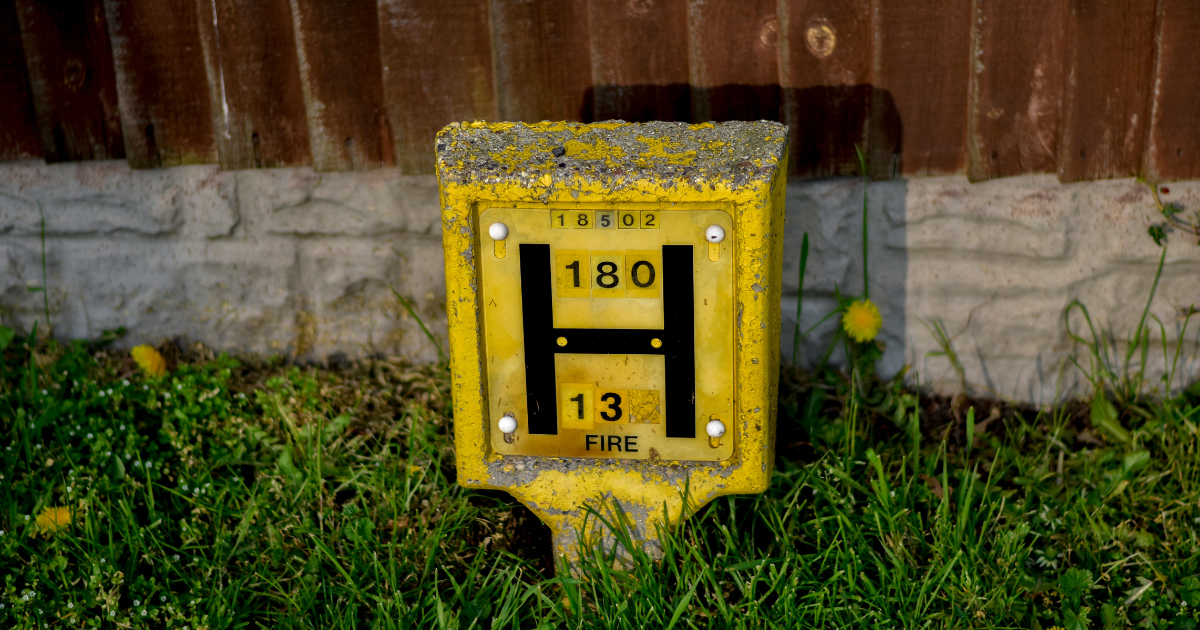
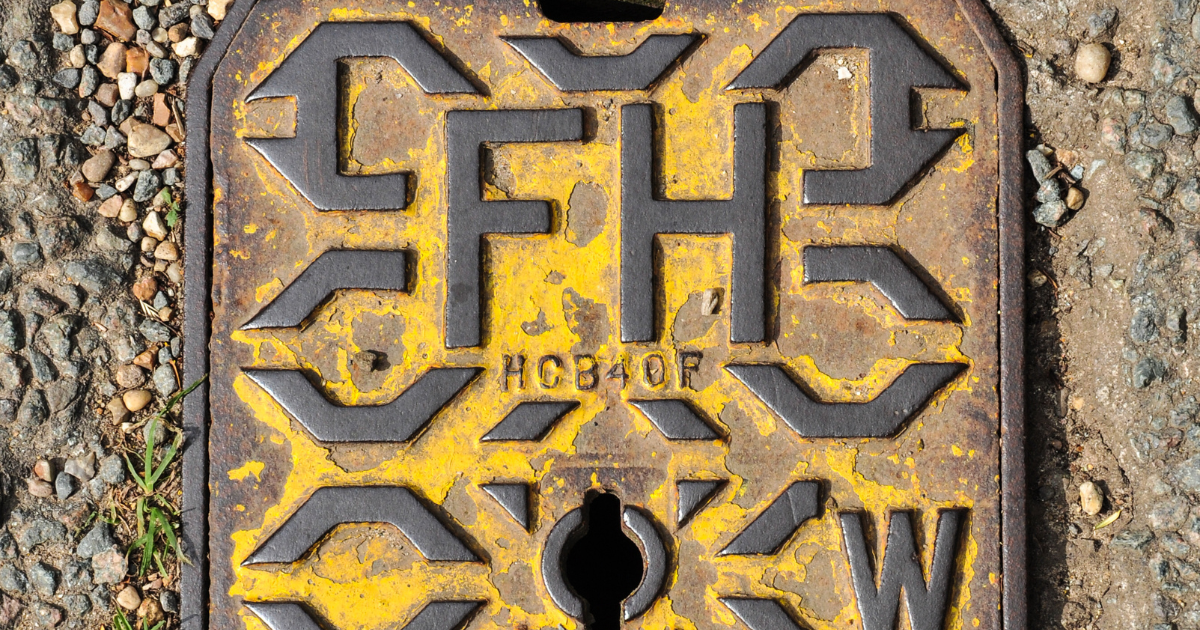
Private fire hydrants aren’t the responsibility of the local water authority; they belong to the owner or occupier of the land they sit on, and it’s down to you to keep them tested and accessible. Our engineers check for damage, corrosion, and obstruction, and confirm the hydrant delivers water at the pressure and flow rate the fire service would expect in an emergency. A hydrant that’s seized, buried, or blocked by parked vehicles can cost precious minutes during a real incident.
CTS provides riser and hydrant services throughout:
Whether you need a dry riser, wet riser or fire hydrant tested for the first time, or you’re due your annual compliance check, our team can help. Contact us today to arrange a site visit or request a quote; we’ll make sure your systems are ready when the fire service needs them.
Connect with our friendly staff today and let us know how we can help you with your next project.
Please use the secure form here and a member of our team will reach out to you as soon as possible to follow up your enquiry.
From education and healthcare to retail, hospitality, and construction, our BAFE-certified engineers bring over 30 years of hands-on experience across a wide range of sectors. Whatever your industry, we'll make sure your fire alarms, CCTV, emergency lighting, and access control systems work together seamlessly, keeping your people, property, and business fully protected.
View AllKeeping Your Business Safe with Expert Fire Alarm, CCTV, Emergency Lighting, and More
At CTS Fire, we offer a full range of services designed to safeguard your business, property, and people. Whether you’re looking for a new fire alarm system, CCTV for your premises, or emergency lighting that meets compliance regulations, we’re here to provide you with reliable, expert solutions.
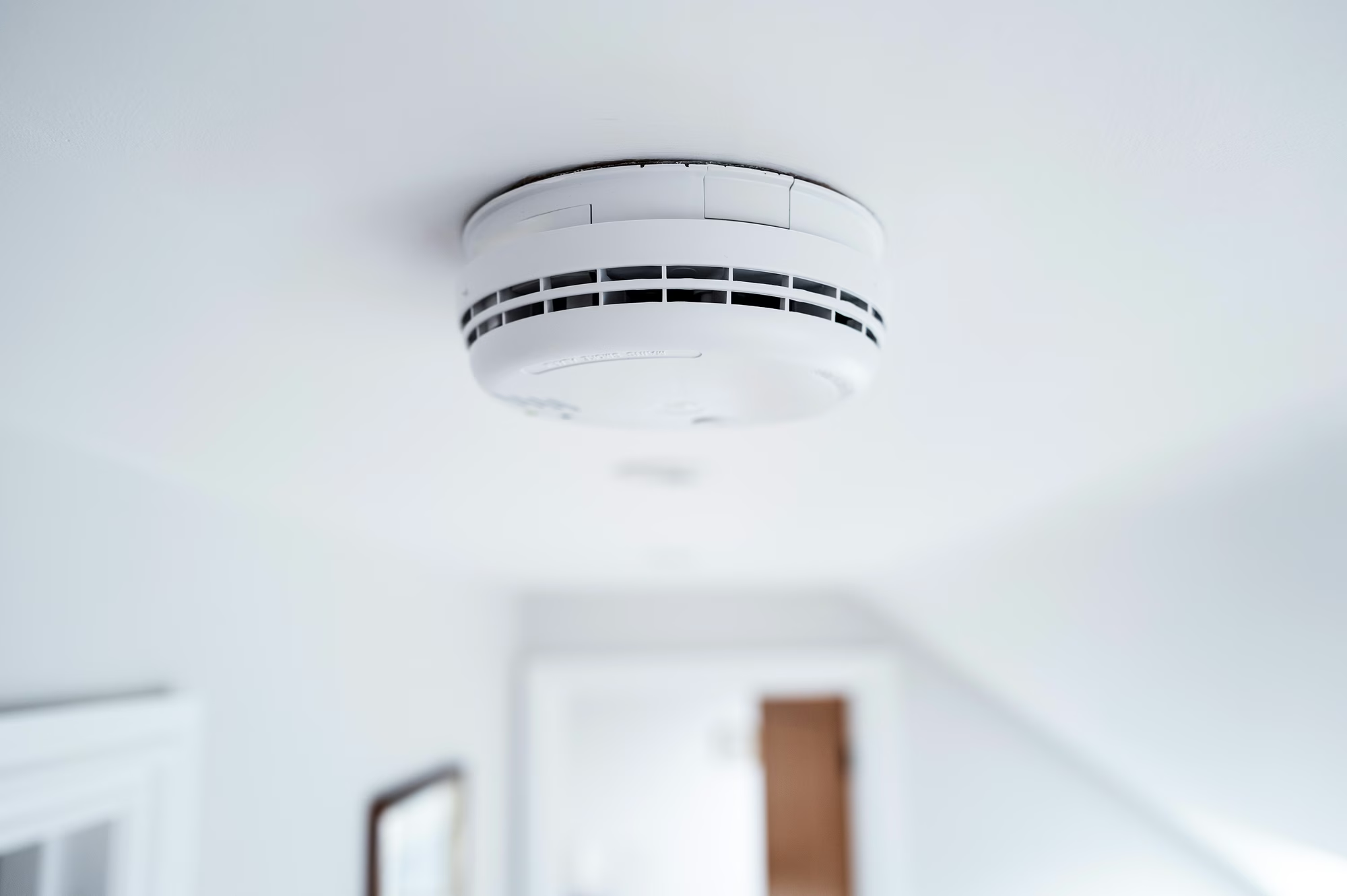
We understand how important it is to have a fire alarm system that works when you need it most. Our team not only installs fire alarms but ensures they’re regularly tested and serviced, keeping your system in top condition.
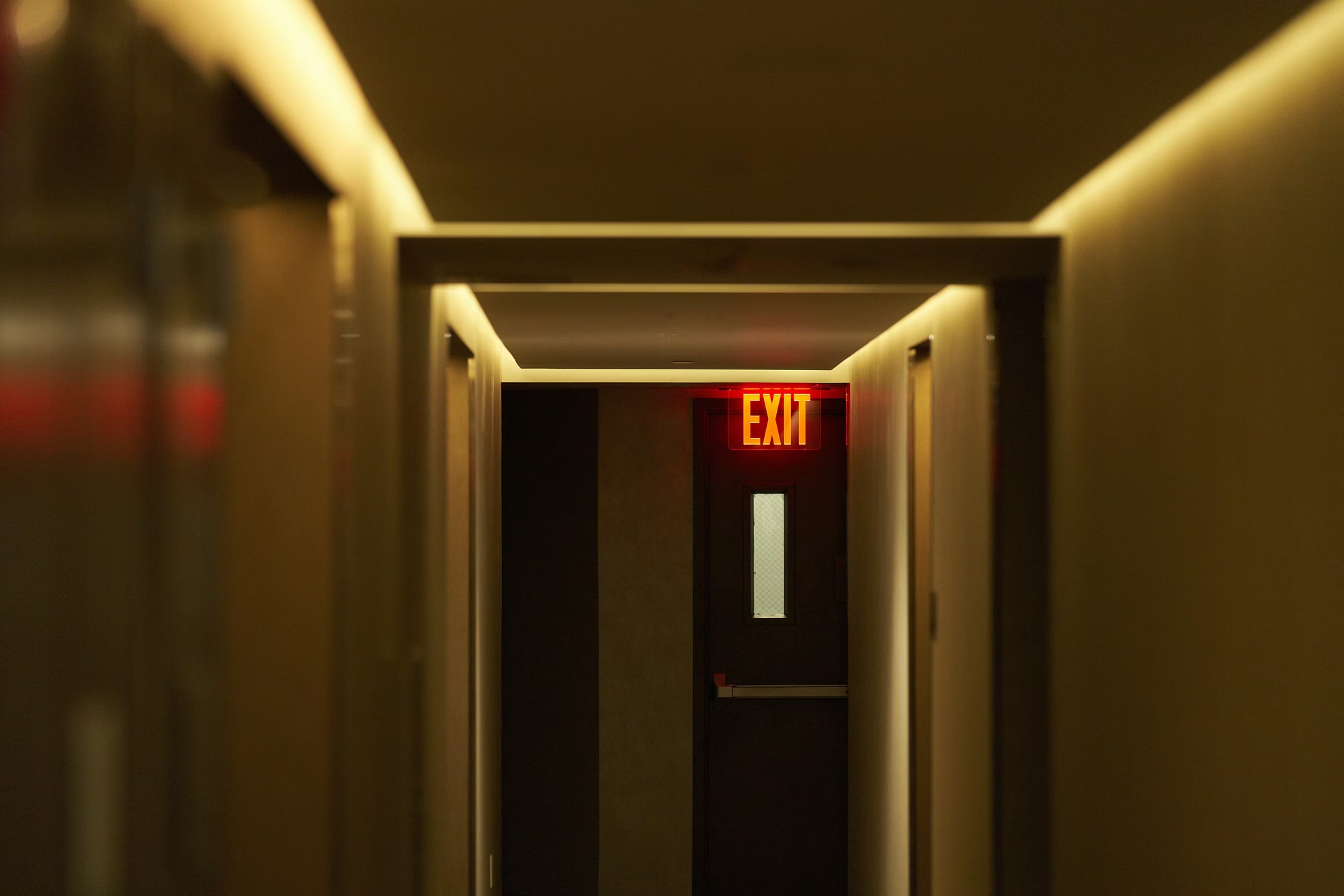
In case of an emergency, proper lighting can save lives. We design and install emergency lighting systems that ensure safety and compliance with current regulations.
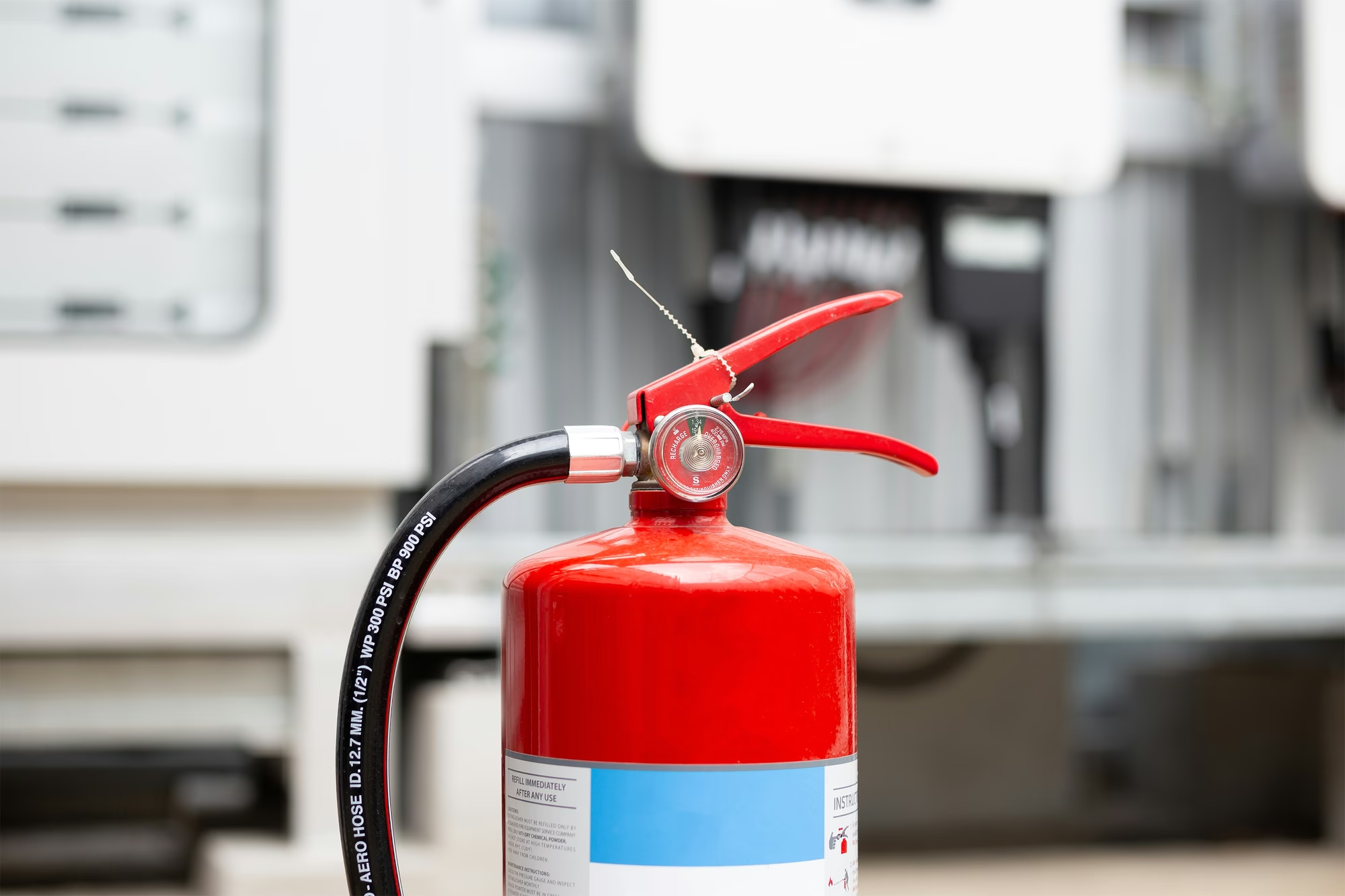
It’s not just about installing fire extinguishers – it’s about maintaining them and ensuring they’re ready to use in case of an emergency. We offer servicing, refills, and installation to ensure your workplace is fully protected.
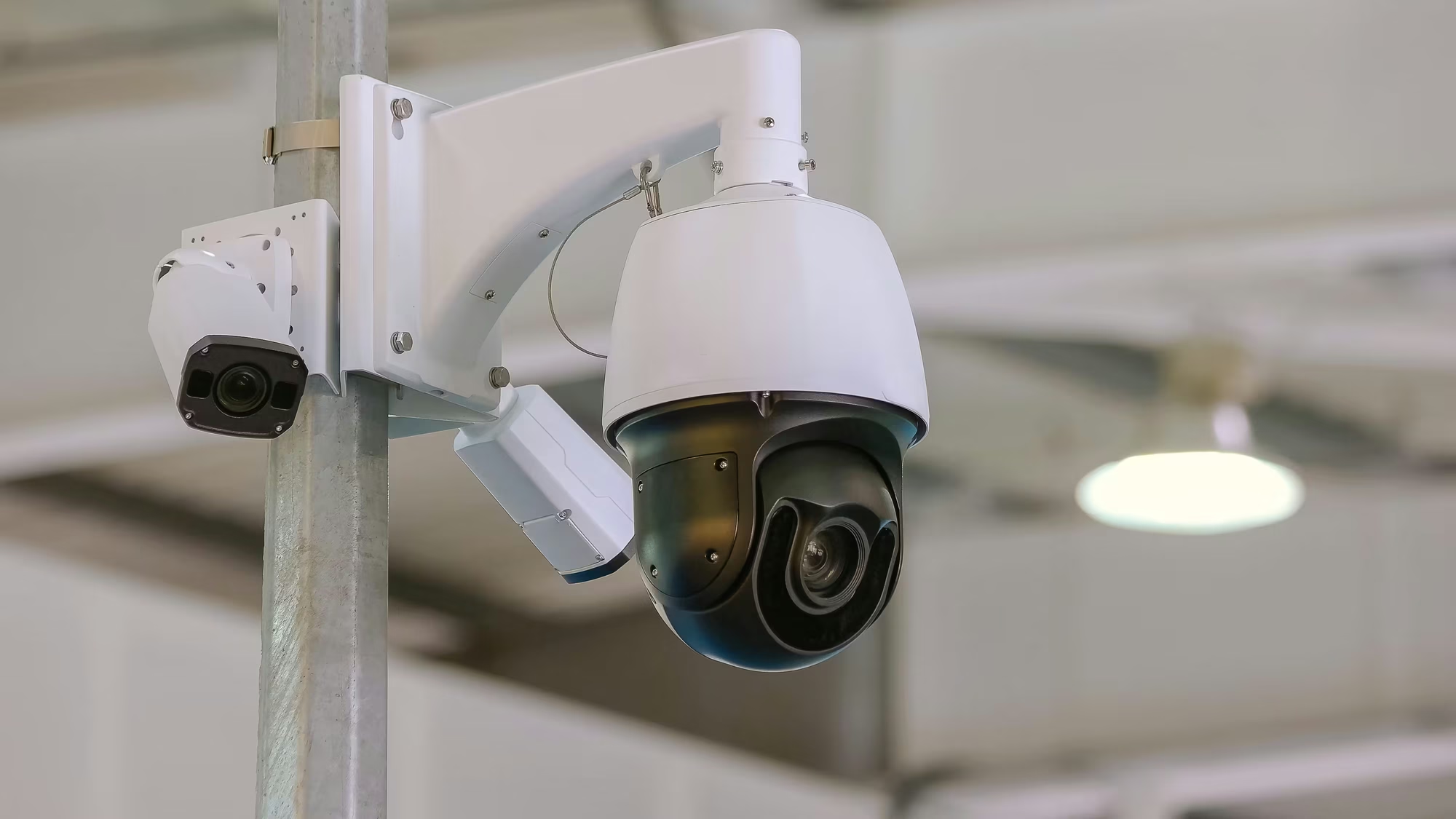
CTS provides CCTV design, installation and maintenance for businesses across Worcestershire, Gloucestershire and the surrounding areas. With over 30 years of industry experience, we deliver bespoke surveillance solutions that keep your property protected around the clock.
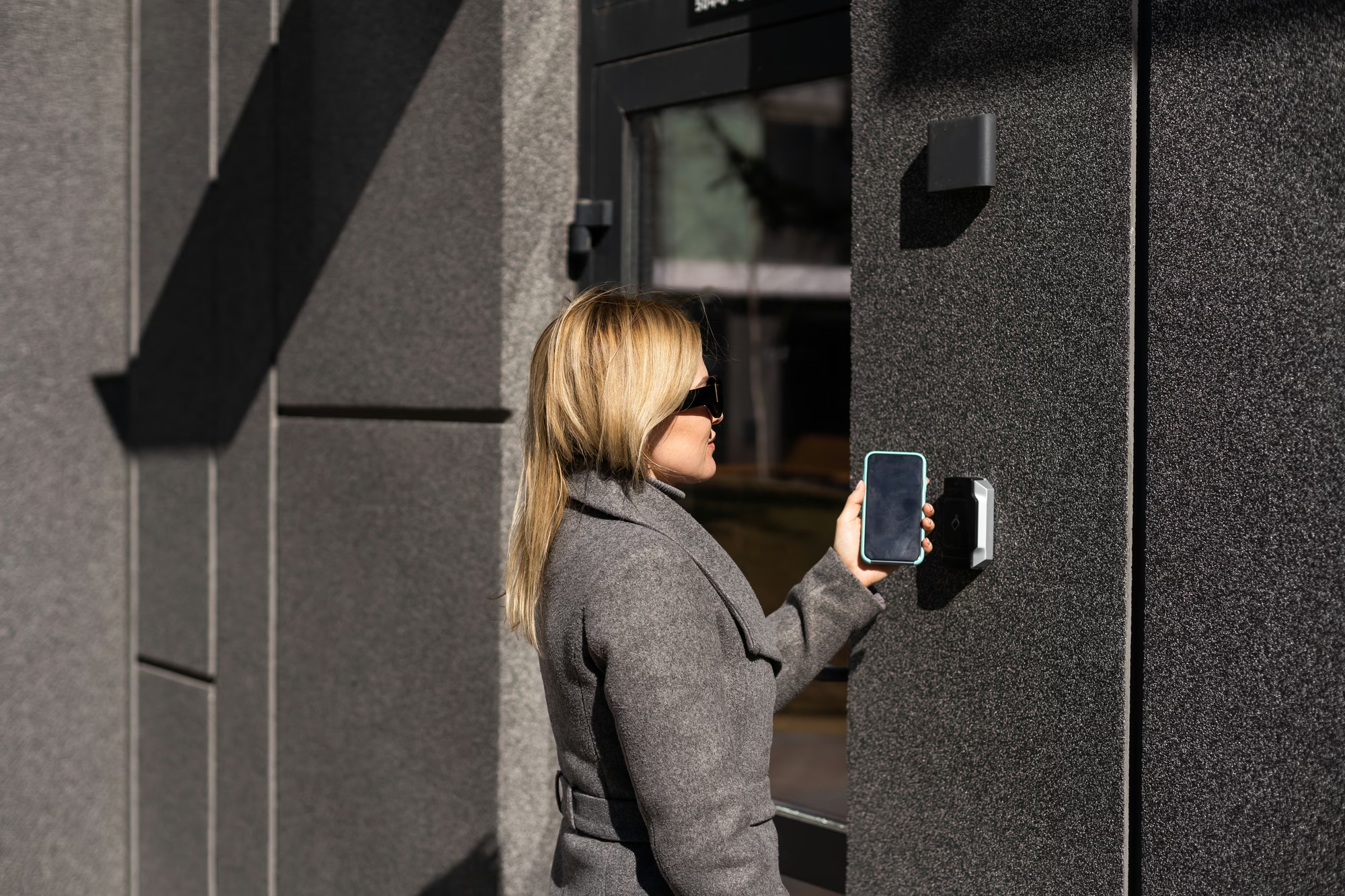
From single-door setups to complex multi-site access door systems, our SSAIB-certified engineers deliver secure, fully integrated solutions backed by over 30 years of experience.
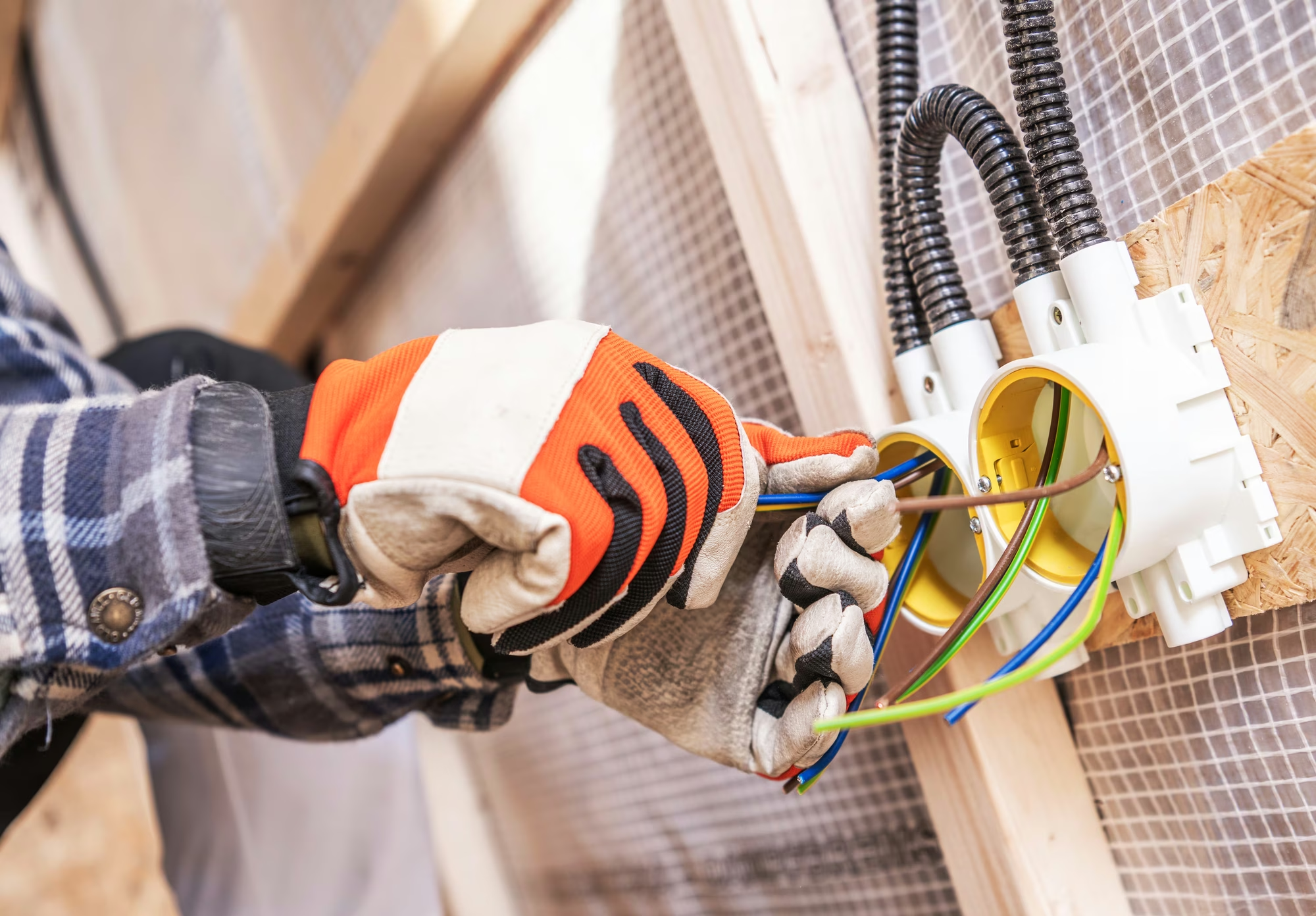
We deliver specialist electrical systems designed for complex environments, including installation, integration, and maintenance of high-performance, safety-critical solutions.